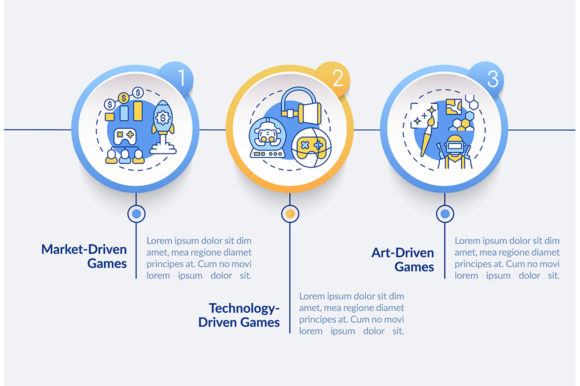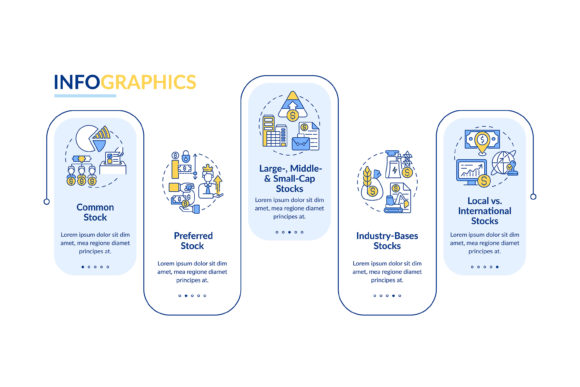
Assets Types Vector Infographic Template
First Impressions: A Versatile Visual Tool for Local Brands
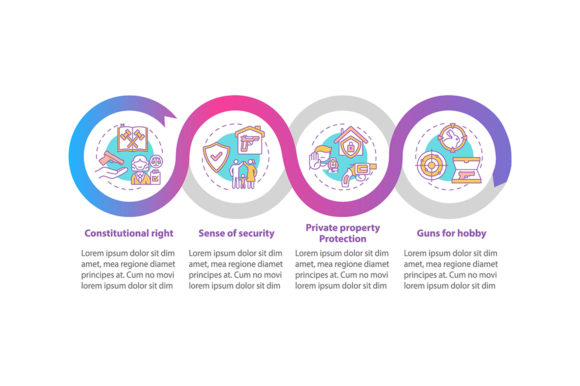
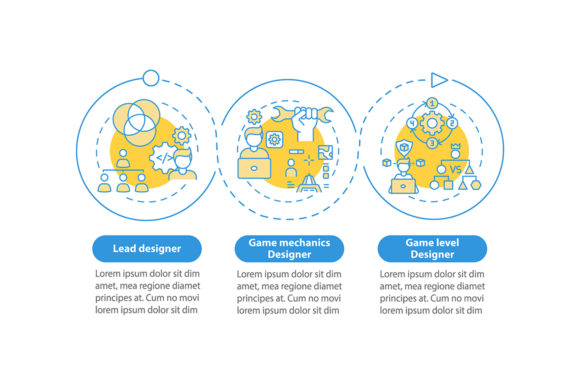
The Assets Types Vector Infographic Template immediately conveys a sense of clarity and structure. Its clean lines, linear icons, and process timeline chart suggest a modern, organized brand personality. This design asset feels ideal for small businesses looking to communicate information in a visually engaging way without overwhelming their audience. It’s particularly well-suited for handmade, organic, or artisanal brands that want to emphasize quality and craftsmanship through visual storytelling.
Real-World Applications for Small Business Branding
As a brand designer, I’ve found the Assets Types Vector Infographic Template incredibly useful across multiple touchpoints. For a local bakery, it could be used to illustrate the steps in their signature bread-making process, adding an educational and engaging element to packaging or social media posts. In a coffee shop setting, the template can help visualize the journey from bean to cup, reinforcing the brand’s commitment to quality and sustainability.
For product labels, the infographic’s layout allows for clear, concise messaging that complements the product’s story. When used in packaging design, it adds a layer of visual interest that can differentiate a product on the shelf. The workflow layout with linear icons also works well for printable inserts, thank-you cards, and promotional banners, offering a cohesive look across all brand materials.
Supporting Business Presentation and Brand Identity
This graphic design asset enhances business presentation by creating a stronger first impression. It helps establish a clearer visual hierarchy, making it easier for customers to navigate information while reinforcing consistent brand identity. For a skincare brand, for example, the infographic can outline the benefits of a product’s ingredients, building trust and credibility with the audience.
When integrated into marketing visuals, the template supports more polished and professional branding. Whether used in social media graphics or website banners, it adds a level of sophistication that aligns with modern design trends. For a boutique store, it can serve as a key visual element in seasonal campaigns, helping to create a cohesive aesthetic that resonates with the target audience.
Where the Asset Shines in Design Projects
The Assets Types Vector Infographic Template excels in several areas of design. It works exceptionally well as a hero graphic on product pages or promotional ads, drawing attention and conveying key messages quickly. As a decorative brand element, it can add visual flair to packaging accents, hang tags, or stickers without overpowering the overall design.
In product mockups, it provides a professional-looking backdrop that highlights the product itself. For seasonal packaging, it can be adapted to reflect holidays or special events, offering a fresh and timely visual approach. Social media campaign graphics also benefit from its structured layout, allowing for easy customization and consistency across platforms.
When to Use the Asset with Caution
While the Assets Types Vector Infographic Template is highly versatile, there are situations where it may not be the best fit. For formal corporate branding, its style might feel too casual or playful. On very small labels, the details could become too cramped, reducing readability. In crowded product packaging or ingredient-heavy layouts, it could compete with essential text and diminish the overall effectiveness of the design.
It’s also important to consider low-contrast backgrounds, as the template’s elements may not stand out as intended. Luxury minimalist brands might find the design too busy, and in cases where decoration needs to take a backseat to text, the infographic could detract from the message.
Practical Designer Notes for Real Business Use
Before finalizing any project, I always test the Assets Types Vector Infographic Template on real packaging mockups to see how it translates in print. Checking black and white usage is crucial, as some elements may lose clarity when converted. Previewing the design on small labels ensures that the details remain legible at scale.
Testing the template with brand colors helps maintain consistency and ensures it aligns with the existing palette. Comparing it with competitor packaging gives insight into how it stands out in the market. Reviewing PNG transparency and SVG editability is also essential, especially when working with clients who may need to modify the design later.
Experimenting with different font styles—serif, sans serif, script, handwritten, or display fonts—helps determine how the infographic interacts with typography. Confirming commercial licensing before using the asset for client work or physical product sales is a must to avoid legal issues.
Why This Asset Matters for Small Business Success
The Assets Types Vector Infographic Template is more than just a design tool—it’s a strategic asset for small business branding. It helps build customer trust through clear communication, improves product recognition with consistent visuals, and elevates the overall professionalism of a brand’s presentation. For handmade businesses or local stores, it offers a way to tell their story in a visually compelling manner that resonates with their audience.
Whether used in packaging design, social media graphics, or promotional materials, this infographic template supports a strong visual hierarchy and reinforces brand identity. It’s a valuable addition to any creative marketplace, offering flexibility and adaptability for a wide range of business needs.