Civil Engineering Vector Infographic
As a designer who’s spent years working with machine embroidery designs, I always start by evaluating a new file based on its potential for real-world use. The Civil Engineering Vector Infographic caught my attention because of its clean layout and professional vibe. It feels like something that could be used in both commercial and handmade projects, but how well does it translate to actual stitching?
First Impressions: A Design That Speaks to Structure
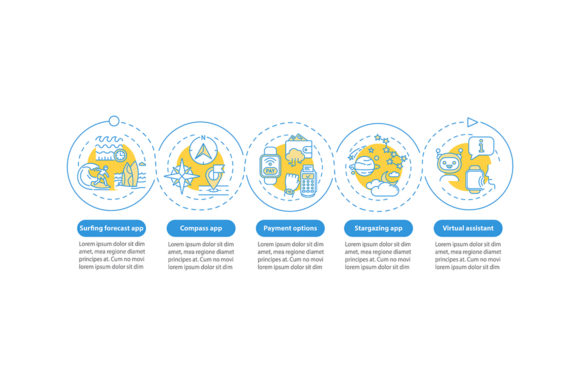
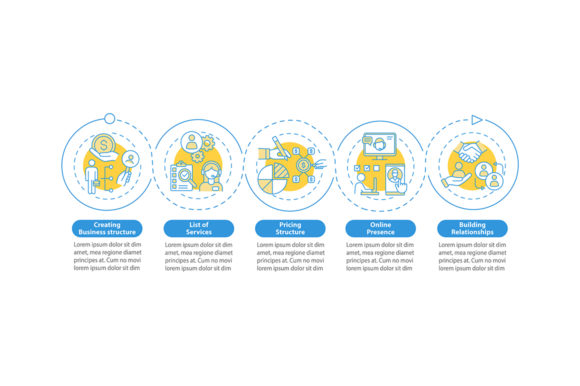
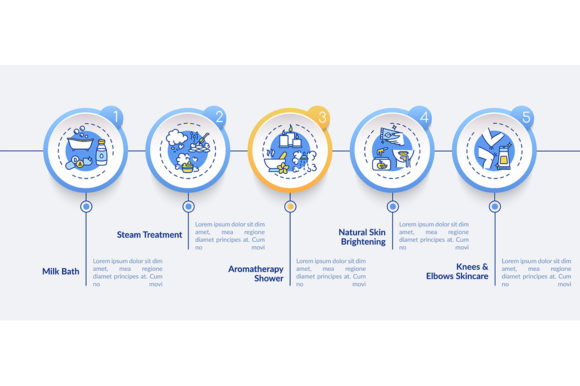
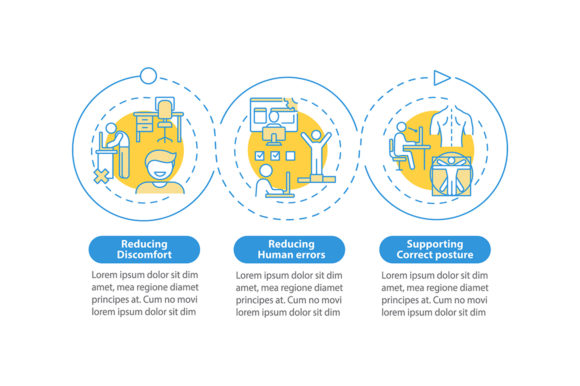
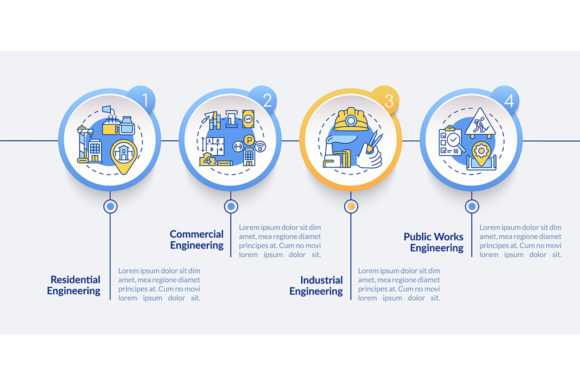
The first thing I noticed about the Civil Engineering Vector Infographic is its strong visual identity. The design uses linear icons and a timeline layout, which gives it a modern, data-driven feel. It’s not overly complex, but it has enough detail to make an impact without being overwhelming. The color palette seems neutral—ideal for embroidery where subtlety matters.
This design would naturally fit into custom apparel, especially items like tote bags or sweatshirts meant for professionals or educational settings. It also has the potential to work as an embroidered patch or a decorative element on baby clothes. The layout suggests a process-oriented theme, which makes it perfect for products that need to communicate a sense of order and precision.
Real-World Embroidery Use Cases
When I think about using the Civil Engineering Vector Infographic in real projects, I imagine it on a custom tote bag for a construction company or a university. It could also be a great addition to a craft business selling personalized gifts. The design’s simplicity allows it to be adapted across different fabric types and garment styles, but there are some considerations to keep in mind.
For example, if you’re planning to embroider this on a sweatshirt or a cap, the hoop size will matter. The design isn’t too large, but if your machine has limited space, you may need to break it into sections. Similarly, if you’re using a textured or stretchy fabric, the stitch density might affect how the design looks after stitching. Thin fabrics could also be a challenge if the design has dense areas.
Another thing to consider is thread color contrast. Since the design is vector-based, it’s likely intended for multiple color applications. But if you’re using a dark fabric, you’ll want to ensure that the thread colors stand out clearly. Testing the design on scrap fabric before committing to a finished product is always a good idea.
Where to Be Careful: Limitations and Challenges
While the Civil Engineering Vector Infographic is visually appealing, it’s not without its limitations. If you’re working with small hoop sizes, you might find it difficult to stitch the entire design in one go. This could lead to misalignment or gaps in the final embroidery.
Also, if the design includes tiny lettering or intricate details, those might not hold up well on certain fabrics. Stretchy materials can cause distortion, and thin fabrics may not support dense stitch areas. In such cases, using the right stabilizer is crucial to prevent puckering or tearing.
For projects that require frequent washing, like baby clothes or kitchen towels, the durability of the embroidery matters. The design should be stitched with care, using the right stitch types—like satin stitch for outlines and fill stitch for solid areas—to ensure longevity.
Impact on Visual Appeal and Customer Perception
One of the biggest advantages of the Civil Engineering Vector Infographic is its ability to elevate the visual appeal of a product. Whether it’s a custom embroidered patch or a printable mockup for an Etsy listing, this design adds a professional touch that customers are likely to appreciate.
It also helps build trust. When clients see a well-designed, structured graphic, they’re more likely to perceive the handmade product as high-quality and thoughtfully made. This is especially important for small shop owners or craft businesses trying to stand out in a crowded market.
From a branding perspective, the design can help maintain consistency across different products. If you’re creating a line of custom apparel or promotional items, having a cohesive visual style can strengthen your brand identity and increase recognition.
Practical Designer Notes: What to Check Before Using
Before I commit to using any embroidery file, I always do a few quick tests. For the Civil Engineering Vector Infographic, I’d recommend checking the following:
- Test on scrap fabric to see how the design translates in real life.
- Review thread color contrast against the fabric you plan to use.
- Check stitch density to avoid issues with thick or thin areas.
- Confirm hoop size to ensure the design fits comfortably.
- Inspect small details like corners and lettering for clarity.
- Test black and white mockups to see how the design looks in monochrome.
- Compare light and dark backgrounds to ensure visibility.
- Use proper stabilizer for delicate or stretchy fabrics.
- Confirm licensing before selling finished items or digital products.
These steps can save time and prevent costly mistakes, especially when working on commercial embroidery projects or client orders.
Final Thoughts: A Versatile Design with Practical Potential
The Civil Engineering Vector Infographic is a solid choice for designers looking for a clean, structured design that can be used across multiple mediums. It’s ideal for custom apparel, personalized gifts, and small business merchandise, but it requires careful consideration when it comes to fabric type, hoop size, and stitch density.
If you’re an Etsy seller, a craft business owner, or a creative entrepreneur, this design could be a valuable addition to your collection. Just remember to test it thoroughly and tailor it to your specific project needs. With the right approach, the Civil Engineering Vector Infographic can become a reliable part of your embroidery workflow.