Common Commercial Contracts Types Graphics
As a designer who regularly works on branding, marketing visuals, and printable products, I always look for high-quality design assets that can elevate a project’s visual mood without overpowering the message. The Common Commercial Contracts Types vector infographic template caught my attention as a potential tool for real client work. This graphic design asset offers a structured approach to presenting complex information in a clean, professional manner—perfect for small business branding or digital product launches.
First Impressions: A Clean, Professional Mood
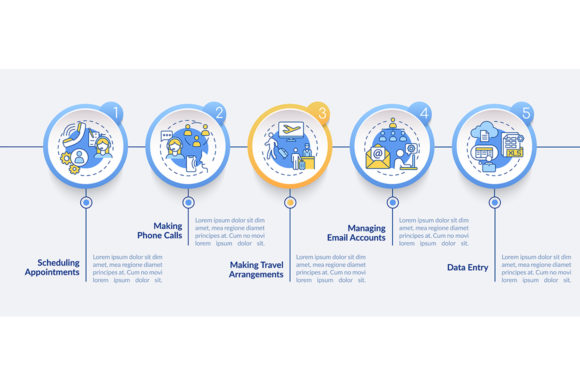
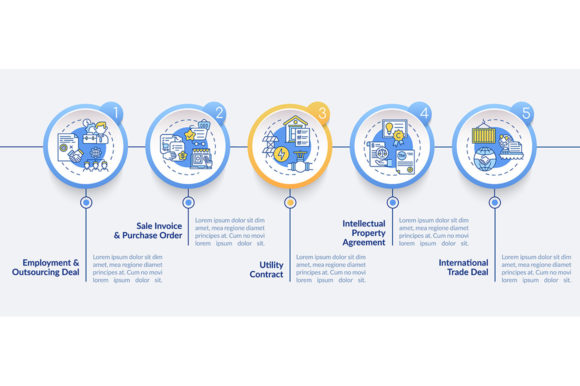
The first thing I noticed about Common Commercial Contracts Types is its visual clarity. The design uses a linear icon style with a data visualization layout, making it ideal for process timelines or workflow charts. It feels modern and professional, which aligns well with the needs of small business owners or handmade brands looking to present their services or processes in a polished way.
This infographic template has a subtle, yet effective, visual rhythm. The use of simple shapes and consistent spacing creates a sense of order and reliability—key traits for any commercial design. The style doesn’t scream for attention but instead supports the content, which is exactly what a designer wants when working on brand identity or packaging design.
Real-World Design Applications
In a real client project, Common Commercial Contracts Types could serve multiple purposes. For example, if I were designing a marketing campaign for a local event or seasonal product launch, this asset could help visualize the steps involved in an outsourcing deal or contract process. It would be especially useful in social media graphics, blog visuals, or Canva templates where clear communication is essential.
For a handmade brand or Etsy shop, this design could be incorporated into product labels, packaging design, or t-shirt design. Its clean lines and structured layout make it adaptable to both digital and print formats. Whether used as a sticker design, a Cricut project, or a printable wall art piece, it maintains a professional appearance that aligns with modern design trends.
Where It Excels: Large Layouts and Themed Campaigns
Common Commercial Contracts Types performs best in large layout areas such as hero graphics, product mockups, or campaign visuals. Its structured design allows it to stand out without overwhelming the surrounding elements. When placed on a website graphic or editorial design, it adds a layer of sophistication that enhances the overall visual hierarchy.
This asset also works well in themed collections or seasonal campaigns. For instance, if a client needed a set of visuals for a business workshop or training program, this infographic could be part of a larger design bundle. Its versatility makes it suitable for both digital ads and print-on-demand projects, offering flexibility across various mediums.
Where to Use with Caution: Minimalist or Complex Designs
While Common Commercial Contracts Types is visually strong, it may not be the best fit for every project. In minimalist branding or low-contrast designs, it could feel too busy or distracting. Similarly, in crowded layouts or complex backgrounds, the simplicity of the design might not hold up against more intricate elements.
For professional corporate materials, this asset might need additional refinement. If a client requires very clean visual hierarchy or a highly stylized logo design, the linear icons and data visualization approach might not align with their brand’s aesthetic. In such cases, it’s better to pair it with other design elements that match the desired tone.
Impact on Readability and Brand Consistency
One of the key strengths of Common Commercial Contracts Types is its impact on readability. The clear structure and consistent spacing ensure that the information presented is easy to follow. This is especially important in marketing visuals or editorial design where the goal is to communicate effectively with the audience.
From a brand consistency perspective, this asset can help reinforce a company’s professional image. Whether used in packaging design, social media posts, or web design, it contributes to a cohesive visual language that builds trust and recognition. Its ability to support a brand’s messaging without overshadowing it makes it a valuable addition to any creative design toolkit.
Practical Designer Notes: What to Check Before Using
Before using Common Commercial Contracts Types for a client project, I recommend testing it in black and white to see how it holds up without color. Checking contrast on light and dark backgrounds is also important, especially if it will be used in digital ads or social media graphics.
Previewing the design at different sizes helps determine its scalability. If it’s going to be used in a product mockup or t-shirt design, ensuring that the details remain sharp is crucial. Testing print quality is equally important for any printable design or commercial license project.
Reviewing file formats is another step I always take. If the asset includes PNG transparency or SVG editability, it should be inspected for compatibility with the intended use. Comparing it with different font styles—serif, sans serif, script, or display fonts—can also help determine how well it integrates with a brand’s typography.
Why It Matters for Small Business Branding
For small business owners, especially those in the handmade or print-on-demand space, Common Commercial Contracts Types can be a powerful tool. It offers a professional look that elevates their branding without requiring advanced design skills. Whether used in an Etsy product listing, a packaging design, or a marketing visual, it adds a level of polish that can make a big difference in customer perception.
As a designer, I appreciate assets that are both functional and aesthetically pleasing. Common Commercial Contracts Types fits that bill, offering a balance between form and function that can enhance a wide range of creative projects. Its adaptability makes it a smart choice for anyone looking to streamline their design process while maintaining a high standard of visual quality.