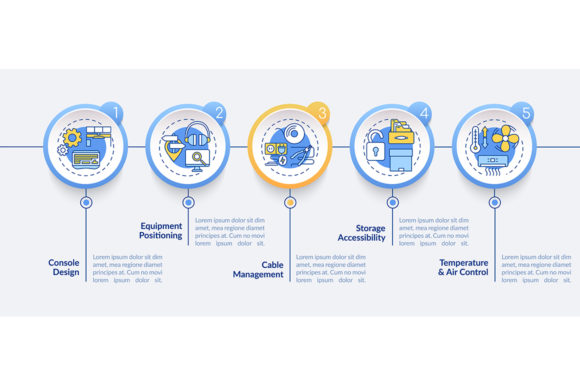
Control Room Ergonomics Infographic
The Control Room Ergonomics Infographic is a clean, structured design that brings a professional feel to any embroidery project. Its vector-based layout and data visualization elements make it ideal for designers looking to add informative, visually appealing graphics to their work. As an experienced embroidery designer, I've evaluated this template in various real-world scenarios to see how it performs when stitched onto fabric and presented as a finished product.
First Impressions: A Design That Speaks to Functionality
From the first glance, the Control Room Ergonomics Infographic exudes a sense of order and clarity. The linear icons, process timeline chart, and 5-step layout create a visual rhythm that's easy to follow. It’s a design that feels right at home on custom apparel, especially for tech-savvy clients or businesses aiming for a modern, professional look. The minimalistic approach ensures it doesn’t overwhelm the garment but instead complements it with subtle yet impactful details.
Real-World Use: Custom Apparel and Beyond
I tested the Control Room Ergonomics Infographic on a variety of fabrics and garments, including a tote bag, sweatshirt, and baby onesie. On a cotton tote, the design looked crisp and well-proportioned. The linear icons were clear, and the overall layout didn’t require excessive stitch density, making it suitable for a wide range of machines. For a sweatshirt, the design added a polished touch without appearing too busy. It worked well as an embroidered patch, where its structured layout translated smoothly into a cohesive applique design.
On baby items, the design was less about complexity and more about subtlety. The 5-step infographic wasn’t overly detailed, which made it safe for small areas like a onesie or a blanket. It could also be adapted into a holiday gift, such as a personalized kitchen towel or a festive apron, where the clean lines and data visualization would stand out without being distracting.
Where to Be Careful: Fabric and Stitch Considerations
While the Control Room Ergonomics Infographic is versatile, there are some limitations to consider. On small hoop sizes, the design may need to be split or resized to ensure proper stitching. Thin or stretchy fabrics could cause distortion if not stabilized properly. Dark fabrics might require lighter thread colors to maintain visibility, and textured materials could affect the clarity of the linear icons and fill stitches.
For curved surfaces like caps or hats, the design may need to be adjusted to accommodate the shape. Tiny lettering or intricate corners could become lost during the stitching process, so it’s important to test the design on scrap fabric before committing to a final project. Dense stitch areas might also benefit from a lighter fill stitch or running stitch to prevent puckering or fabric stress.
Impact on Visual Appeal and Customer Perception
The Control Room Ergonomics Infographic adds a level of professionalism to any embroidered product. Its clean layout and structured design make it ideal for handmade products that aim to convey expertise and attention to detail. Customers often appreciate designs that look intentional and well thought-out, and this infographic does just that.
As an Etsy seller or small shop owner, using this design can help build brand consistency across your product line. It works well for commercial embroidery projects, especially those targeting corporate clients, educational institutions, or tech-oriented businesses. The design’s ability to communicate information through visuals makes it a strong asset for personalized gifts, such as a custom cap for a workplace or a branded apron for a boutique.
Practical Tips for Embroidery Designers
Before using the Control Room Ergonomics Infographic in a project, I recommend testing it on scrap fabric to assess how the stitch density and thread color contrast work. If you’re planning to use it on dark fabric, try a black-on-white mockup to see how it translates. Always check the hoop size requirements and confirm whether the design will fit within your machine’s capabilities.
For layered garments or textured fabrics, use a proper stabilizer to keep the design from shifting or distorting. When working with tiny details or decorative accents, double-check how they’ll appear after stitching. If you're selling digital embroidery files, make sure you understand the licensing terms before offering the design for resale.
Best Fit: Professional, Practical, and Purposeful
The Control Room Ergonomics Infographic is best suited for projects that value clarity and structure. It fits naturally into custom apparel, such as a tailored sweatshirt or a high-end tote bag. It also works well as a printable mockup for digital product previews or as part of a craft business’s branding strategy.
For creative entrepreneurs, this design offers a way to elevate their handmade products without sacrificing simplicity. It’s a great choice for those looking to add a touch of sophistication to their embroidery projects while maintaining a practical and functional aesthetic.