Journalism Challenges Vector Infographic
First Impressions: A Visual Statement for Modern Branding
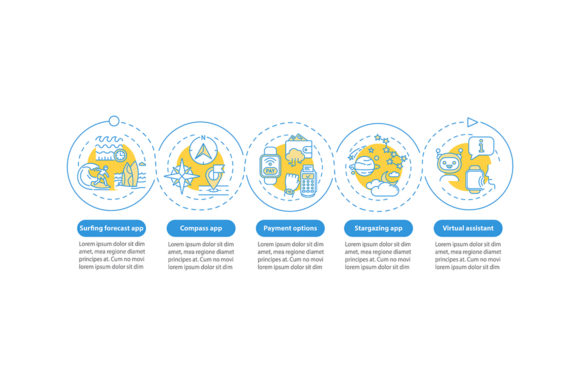
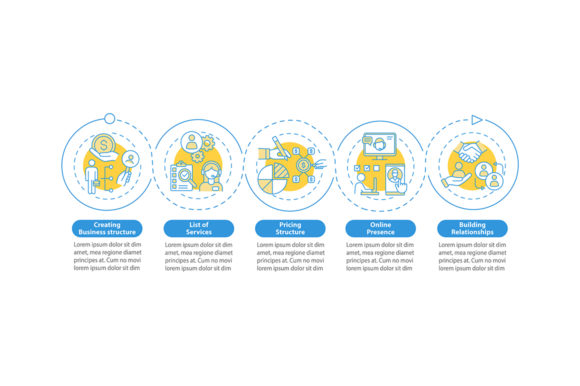
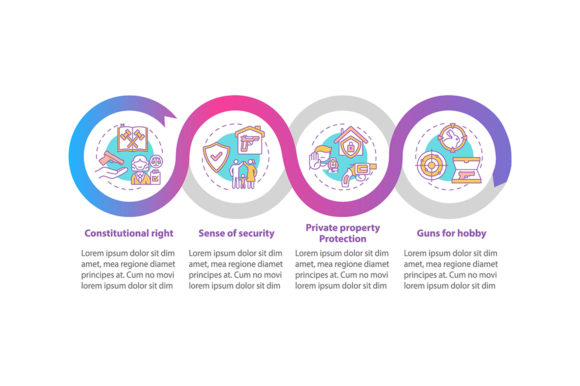
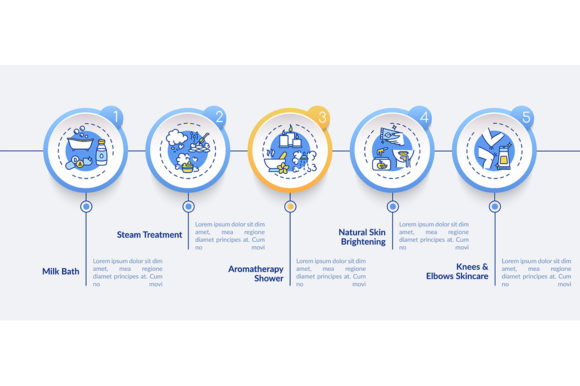
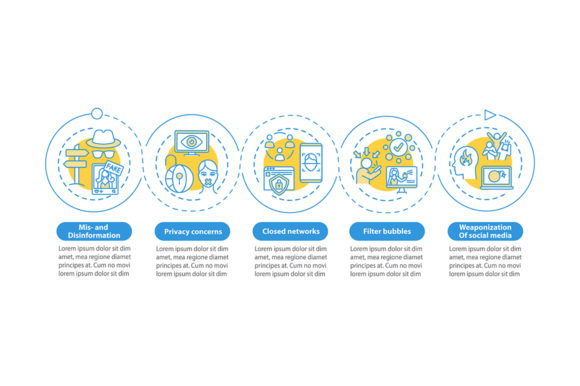
The Journalism Challenges Vector Infographic immediately catches the eye with its clean, structured layout. The use of linear icons and a process timeline chart creates a sense of order and clarity, making it ideal for content that needs to communicate complex ideas simply. This design asset brings a professional tone, suitable for both editorial and commercial marketing materials. Its visual language feels modern and engaging, appealing to audiences who value informed, well-structured content.
Emotional Tone and Audience Perception
This infographic template carries an intellectual and analytical mood, which can be powerful in building audience trust. It suggests a brand that values transparency, critical thinking, and data-driven storytelling. For small business branding or content marketing, this design can help position a brand as knowledgeable and credible. However, it may not be the best fit for handmade products or casual lifestyle content where a more organic feel is preferred.
Real-World Application: A Small Business Launch
Imagine a small business launching a new product line focused on digital literacy and media awareness. The Journalism Challenges Vector Infographic could serve as a central visual element in their campaign. As a social media graphic, it could explain the five steps of media consumption, helping the brand educate its audience while maintaining a professional look. In a content kit, it could act as a downloadable resource, enhancing the value of their offerings.
Supporting Brand Identity and Visual Consistency
As a graphic design asset, the Journalism Challenges Vector Infographic offers flexibility in integrating with a brand’s visual identity. Whether used in packaging design, product labels, or web design, it can reinforce a consistent look across multiple touchpoints. Its workflow layout and data visualization elements make it a strong choice for creating a cohesive brand message, especially when paired with a clear visual hierarchy.
Marketing Goals: From First Impression to Engagement
This design asset can significantly enhance a brand’s first impression by offering a visually compelling way to present information. Its structure supports better visual hierarchy, ensuring that key messages stand out without overwhelming the viewer. For small business branding, it can improve audience trust and recognition, making campaigns more memorable and effective. When used in digital ads or email banners, it helps maintain a professional appearance that resonates with target audiences.
Where It Shines: Creative Campaigns and Content Kits
The Journalism Challenges Vector Infographic excels in hero graphics, campaign headers, and branded templates. It works well as a social media cover or a Pinterest pin, drawing attention while maintaining a polished look. In content bundles or printable designs, it adds value by providing a professional visual component that complements written or spoken content. Its versatility makes it a useful addition to any creative designer’s toolkit.
Where to Use with Caution: Avoid Overcomplication
While this infographic is powerful, it may not be the best fit for formal corporate branding where minimalism is key. In dense information layouts or low-contrast backgrounds, it could become visually distracting. Similarly, in small mobile graphics or text-heavy ads, it might compete with the main message rather than support it. Designers should consider the context and ensure the infographic enhances, rather than overshadows, the core content.
Practical Designer Notes: Testing and Integration
Before finalizing the Journalism Challenges Vector Infographic in a campaign, test it with the brand’s color palette to ensure harmony. Check how it looks in black and white and preview it on mobile screens to confirm readability at smaller sizes. Place it within real campaign mockups to see how it interacts with other elements. Compare it against competitor visuals to ensure it stands out effectively.
Font Pairing and Spacing Considerations
This design asset pairs well with a variety of font styles. Serif fonts can add a traditional, trustworthy feel, while sans serif fonts provide a modern, clean look. Script fonts may work for more creative or editorial applications, and display fonts can be used to highlight key points. Pay attention to spacing and balance to ensure the design remains uncluttered and easy to read.
Commercial Use and Licensing
As a digital product, the Journalism Challenges Vector Infographic comes with specific licensing terms. Always review the commercial license before using it in paid campaigns, client work, or business branding. Ensure it aligns with your brand’s standards and that you have the right to modify and distribute it as needed. This is especially important for designers working on creative marketplaces or selling design bundles.
Conclusion: A Valuable Tool for Modern Marketing
The Journalism Challenges Vector Infographic is a versatile design asset that can elevate a wide range of marketing efforts. Whether used in social media graphics, editorial design, or content marketing, it offers a professional and structured approach to visual storytelling. For small business owners and creative entrepreneurs, it provides a reliable way to build stronger brand communication, enhance audience trust, and create visually compelling campaigns that stand out in a crowded digital space.