Motivation Vector Infographic Templates
As an embroidery designer with years of experience, I’ve seen countless digital design files come across my desk. Some are clearly made for quick use, while others require careful consideration before being incorporated into real projects. The Motivation Vector Infographic Templates fall into the latter category. They’re not just a set of graphics—they’re a collection of visual storytelling tools that can elevate a wide range of embroidered products. But like any design, they need to be used thoughtfully.
First Impressions: A Clean, Purposeful Visual Language
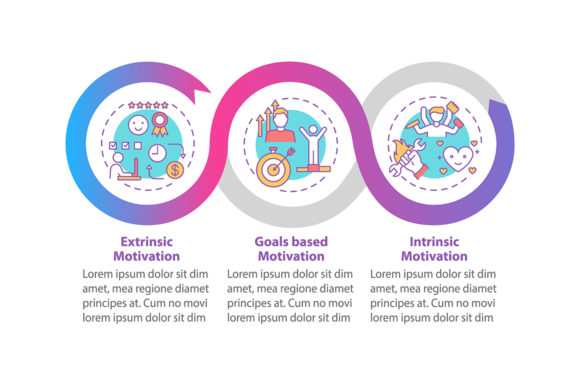
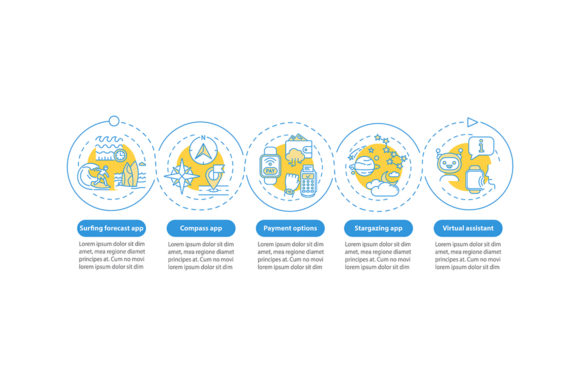
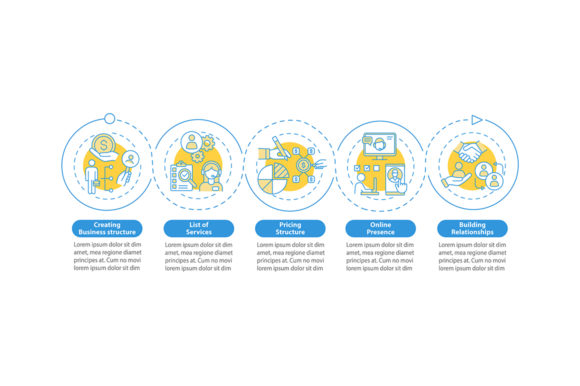
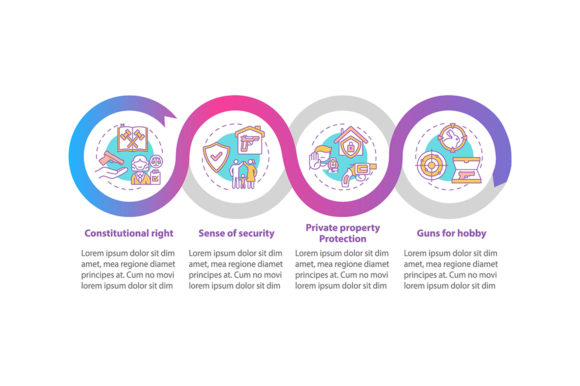
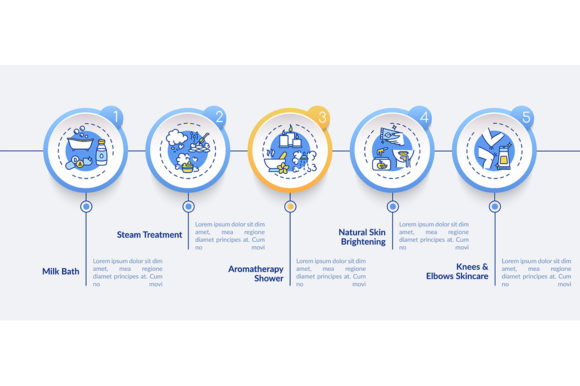
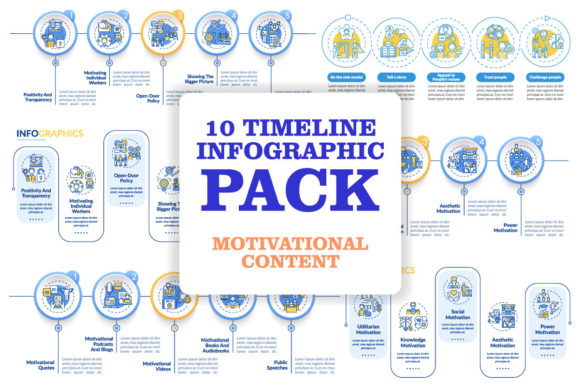
The first thing that stands out about Motivation Vector Infographic Templates is their clean, modern aesthetic. The designs are structured around data visualization, process timelines, and workflow layouts, which gives them a professional and organized feel. The linear icons and step-by-step charts suggest a focus on clarity and simplicity—qualities that are essential in both digital and physical embroidery work.
The color palette is neutral but versatile, making it easy to adapt to different fabric colors and thread choices. The layout of each template is well-balanced, with enough detail to be meaningful without becoming overwhelming. This makes the designs ideal for projects where the message needs to be clear at a glance, such as custom apparel or personalized gifts.
Real-World Use: From Tote Bags to Baby Onesies
Imagine you're working on a custom tote bag design for a client who wants to promote a new wellness program. The Motivation Vector Infographic Templates could be used to illustrate a step-by-step process or a journey toward a goal. The templates’ structured layout would translate well into a machine embroidery design, especially if you’re using satin stitch or fill stitch to bring the lines and shapes to life.
For baby items, such as onesies or blankets, these templates could be adapted into a gentle, motivational theme. The clean lines and minimal details make them suitable for delicate fabrics and small hoop sizes. However, care must be taken when working with stretchy or thin materials, as the design’s precision could be lost if the fabric shifts during stitching.
Where to Be Cautious: Fabric and Design Limitations
While the Motivation Vector Infographic Templates are visually appealing, they aren’t universally compatible with every type of embroidery project. For example, if you’re working on a cap or a curved surface, the design’s straight lines and rigid structure might not conform well to the shape. Similarly, on dark fabrics, the contrast between the design and the background may need adjustment to ensure visibility.
Small hoop sizes can also be a challenge. If the design includes intricate details or tiny lettering, it may not fit comfortably within a standard hoop, leading to potential stitching errors. In such cases, it might be necessary to split the design or adjust the scale for better compatibility.
Impact on Visual Appeal and Customer Perception
When used correctly, the Motivation Vector Infographic Templates can significantly enhance the visual appeal of a handmade product. They add a level of professionalism that can help differentiate your work from competitors, especially in a crowded market like Etsy or craft fairs. A well-executed design can also increase customer trust, as it signals attention to detail and a commitment to quality.
For commercial embroidery projects, these templates offer a way to create consistent branding across multiple products. Whether it’s a boutique shop’s logo or a holiday gift with a motivational message, the templates provide a reliable foundation for design consistency.
Practical Tips for Embroidery Designers
If you’re planning to use the Motivation Vector Infographic Templates in your next project, here are a few key considerations:
- Test on scrap fabric before committing to a final piece. This helps identify any issues with stitch density or fabric behavior.
- Check thread color contrast against the fabric. Some designs may look great on white backgrounds but struggle on darker materials.
- Review stitch density to ensure the design isn’t too dense or too sparse for the intended fabric type.
- Confirm hoop size requirements. If the design is large, consider whether it can be split or resized for better usability.
- Inspect small details like corners and lettering. These can be easily lost in embroidery if not properly optimized.
- Test in black and white mockups to see how the design holds up without color.
- Compare light and dark fabric backgrounds to ensure the design remains visible and readable.
- Use proper stabilizer for textured or stretchy fabrics to prevent distortion during stitching.
Final Thoughts: A Useful Tool for the Right Project
The Motivation Vector Infographic Templates are not a one-size-fits-all solution, but they do offer a lot of value for the right applications. Whether you’re creating a custom sweatshirt for a fitness brand, a personalized gift for a friend, or a digital product for sale, these templates can serve as a strong foundation for your design work.
As with any embroidery file, the success of the final product depends on how well the design is adapted to the specific project. By taking the time to test, adjust, and optimize, you can turn these templates into powerful tools that enhance your creative output and customer satisfaction.