Self-development Methods Infographic Graphics
As a handmade business designer and crafter, I'm always on the lookout for high-quality graphic design assets that can elevate my products and streamline my workflow. The Self-development Methods Infographic caught my attention as a versatile SVG design that could be used across multiple crafting projects. From Cricut and Silhouette cutting to printable designs and small business branding, this asset has potential—but it’s important to understand its strengths and limitations before incorporating it into your creative process.
First Impressions and Visual Style
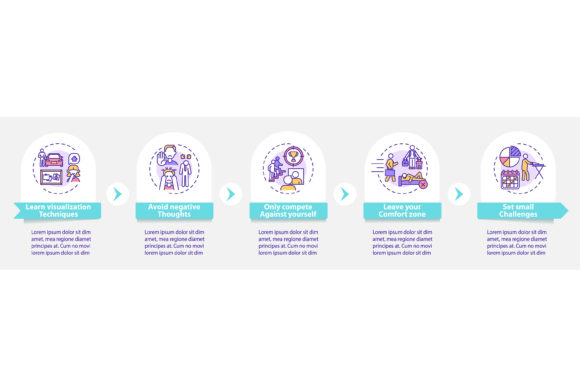
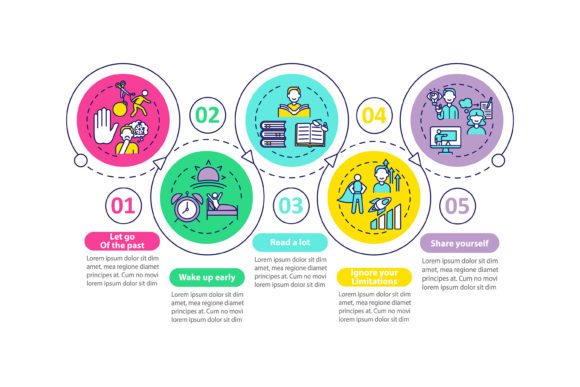
The Self-development Methods Infographic immediately gives off a clean, professional vibe. Its linear icons and process timeline chart suggest a modern, minimalist aesthetic that would appeal to customers looking for elegant, organized content. The data visualization with five steps feels structured and easy to follow, making it ideal for educational or motivational themes. This style would work well with a premium or cozy handmade brand, especially if you're targeting a professional or self-improvement niche.
The color palette is subtle and neutral, which makes it adaptable to various backgrounds and product types. However, the lack of bold colors might not suit a playful or festive theme. If you're aiming for a more vibrant look, you may need to adjust the colors or pair it with other design elements.
Real-World Crafting Applications
This infographic is highly versatile when it comes to real-world crafting scenarios. Whether you're creating custom mugs, t-shirts, stickers, or tote bags, the Self-development Methods Infographic can serve as a central design element. Its SVG format ensures scalability, making it perfect for Cricut and Silhouette projects where precision is key.
For sticker design, the clean lines and simple layout make it easy to cut and apply without losing detail. In t-shirt design, the infographic could be printed as a large graphic or used as a decorative accent. Mug design and tumbler wraps benefit from the infographic's clarity, especially when using sublimation techniques where high-resolution files are essential.
Printable wall art, planner pages, and scrapbooking projects also gain value from this asset. It can be used in digital product bundles, printable design collections, or as part of a seasonal craft kit. For handmade packaging or thank-you cards, the infographic adds a professional touch that aligns with small business branding efforts.
Best Use Cases for the Asset
The Self-development Methods Infographic shines in large cut files where detail matters. Its workflow layout and linear icons make it ideal for clean printable layouts, especially when paired with a serif or sans serif font for readability. Seasonal craft bundles, gift products, and decorative accents all benefit from this asset's structure and visual appeal.
Personalized items, such as custom greeting cards or product mockups, can also leverage the infographic's flexibility. As a digital product, it fits well in print-on-demand setups or creative marketplaces where buyers expect high-quality design assets. The SVG file type ensures compatibility with most design software, making it a valuable addition to any handmade business's toolkit.
When to Use with Caution
While the Self-development Methods Infographic is powerful, there are situations where it may not perform as expected. Very small cutting details or thin lines could be problematic, especially on vinyl or heat transfer materials. Crowded compositions may lose clarity when scaled down, so simplifying the layout might be necessary for certain applications.
Low-contrast colors could lead to poor visibility on dark backgrounds or sublimation prints. Layered vinyl projects may require additional adjustments to ensure the infographic stands out. Small sticker sizes and intricate designs may not translate well without some modifications.
Practical Crafter Notes
Before selling finished products, always test the SVG file to ensure the lines are clean and the design is usable. Preview the PNG design with transparency to see how it looks on different surfaces. Confirm the resolution is suitable for sublimation or other printing methods.
Check how the infographic appears on both white and dark products to avoid unexpected results. Place it on real mockups to get a sense of how it will look in practice. Resize it appropriately for different products, and consider simplifying the layout if needed for smaller formats.
Pairing the infographic with different font styles—serif, sans serif, script, or display—can help it fit various branding needs. Always confirm the commercial license before using it for customer orders or handmade business products. This ensures you’re compliant and protected when offering digital or physical goods.
Final Thoughts
The Self-development Methods Infographic is a solid graphic design asset that offers a range of possibilities for crafters and handmade sellers. Its clean, structured layout makes it ideal for a variety of projects, from t-shirt designs to printable wall art. When used correctly, it can enhance your product offerings and support your small business branding efforts.
However, like any design asset, it requires careful consideration of technical details and application scenarios. By testing the file, adjusting the layout, and understanding its limitations, you can maximize its value in your creative workflow. Whether you're preparing for an Etsy product launch, a craft fair, or a seasonal collection, the Self-development Methods Infographic is worth exploring as part of your design arsenal.