Waste Recycling Infographic Template
As an embroidery designer with years of experience, I always start by evaluating a design’s potential before committing it to a project. The Waste Recycling Infographic Template caught my attention for its clean, informative layout and strong visual identity. It’s not just a pretty graphic—it’s a tool that could elevate a range of handmade and commercial products.
First Impressions: A Design That Speaks Volumes
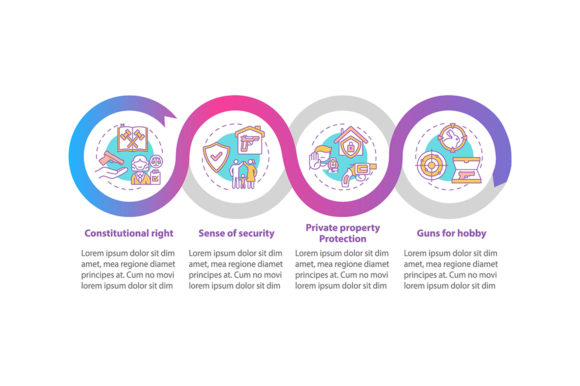
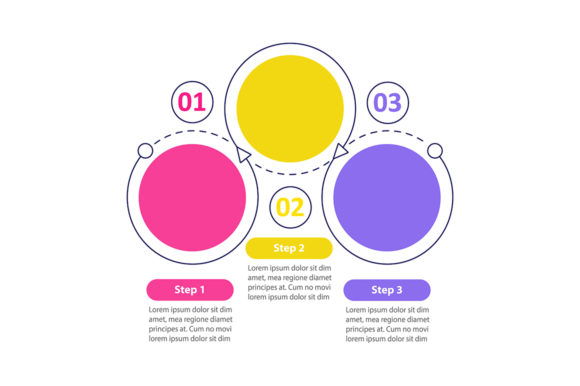
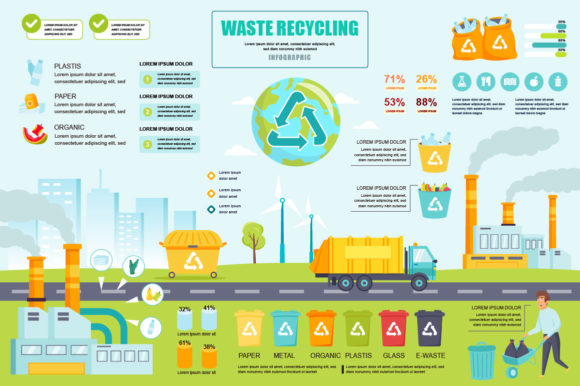
The Waste Recycling Infographic Template immediately conveys a sense of purpose. Its industrial theme, combined with data visualization elements like timelines and workflow diagrams, makes it ideal for projects that emphasize education, sustainability, or environmental awareness. The layout is well-structured, with clear sections that guide the eye naturally. This makes it a strong candidate for custom apparel, tote bags, or even digital product previews.
The use of vector illustration ensures scalability without loss of quality, which is essential for both small and large embroidery projects. The design’s detail level is moderate—enough to be visually engaging but not so intricate that it becomes overwhelming when stitched.
Real-Life Application: From Tote Bags to Holiday Gifts
I imagine using the Waste Recycling Infographic Template on a custom embroidered tote bag for a local eco-friendly store. The design would stand out as a conversation starter while reinforcing the brand’s commitment to sustainability. It could also work well on sweatshirts or baby onesies, especially for parents who want to teach their children about recycling in a fun, visual way.
For a craft business, this template could be part of a printable mockup set, helping Etsy sellers showcase their products more effectively. As an embroidery file, it could be used for patches, aprons, or even kitchen towels. The design’s versatility means it can fit into a variety of niches, from handmade shops to boutique branding efforts.
Challenges in Embroidery: What to Watch For
While the Waste Recycling Infographic Template is visually appealing, it’s important to consider how it translates to real-world embroidery. On small hoop sizes, some details might get lost, especially if the design includes tiny text or intricate lines. For textured fabrics or thin materials, the stitch density could cause puckering or distortion.
On dark fabrics, the contrast between the design and the background may need adjustment. If the template uses light-colored thread, it might not show up well against black or navy fabric. Similarly, stretchy or curved surfaces like caps can challenge the accuracy of the design, especially if the stitching isn’t properly stabilized.
Dense areas of satin or fill stitches might require additional stabilizer to prevent shifting. It’s also worth testing the design on scrap fabric before committing to a final project. This helps identify any issues with thread color contrast or stitch clarity early on.
Impact on Visual Appeal and Customer Perception
A well-executed embroidery project can significantly boost the perceived value of a handmade product. The Waste Recycling Infographic Template has the potential to make a custom item feel more professional and polished. When used on a personalized gift or a boutique product, it adds a layer of thoughtfulness and intentionality.
Customers often look for designs that resonate with their values. A recycling-themed embroidery project can create a stronger emotional connection, especially if the design is clearly visible and well-stitched. This can lead to higher customer satisfaction, repeat purchases, and positive word-of-mouth referrals.
For commercial embroidery projects, the design’s clarity and structure are assets. It can help maintain brand consistency across different products, whether it’s a company’s promotional merchandise or a small shop’s seasonal items.
Practical Designer Notes: Testing and Preparation
Before using the Waste Recycling Infographic Template in a client project or for sale, I recommend testing it on different fabric types. Check how it looks in black and white mockups to ensure it remains legible without color. Pay close attention to small details, such as lettering or corners, which can become distorted during stitching.
If the design includes multiple colors, confirm that the thread colors you choose will provide good contrast. Also, review the stitch density to avoid overworking the fabric. Proper stabilizer is essential, especially for delicate or stretchy materials.
Make sure the design works for both personal and commercial use. If it’s intended for resale, verify the licensing terms to avoid any legal issues. For digital product sellers, this template could be a valuable addition to a collection of design assets.
Conclusion: A Thoughtful Design for Purposeful Projects
The Waste Recycling Infographic Template is a practical choice for embroidery designers looking to add meaningful, educational content to their work. Whether used on a custom tote bag, a holiday gift, or a commercial product, it offers both visual appeal and functional value.
With proper preparation and attention to detail, this design can enhance the quality and professionalism of a wide range of handmade and commercial projects. It’s a great example of how thoughtful design can support both creativity and purpose in the world of embroidery.