Liver Roles Vector Infographic Template
As a brand designer with years of experience, I often seek out high-quality graphic design assets that can elevate small business branding. The Liver Roles Vector Infographic Template caught my attention for its clean, professional aesthetic and its potential to enhance local business visuals across multiple platforms. This asset is more than just an illustration—it's a tool that can support product packaging, promotional materials, and social media graphics in a meaningful way.
First Impressions: A Professional Yet Approachable Visual Language
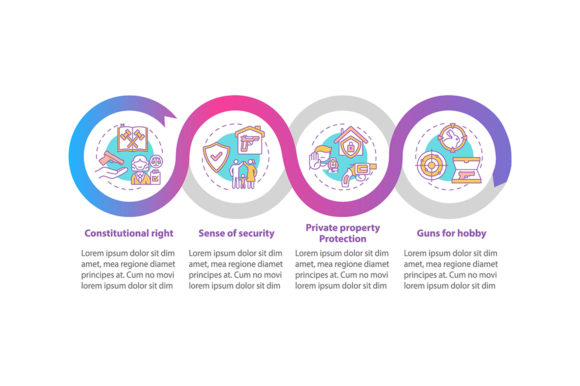
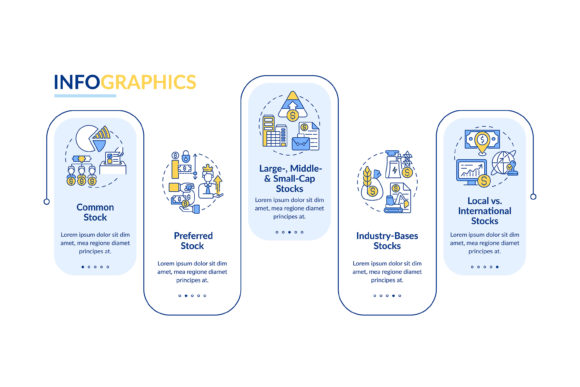
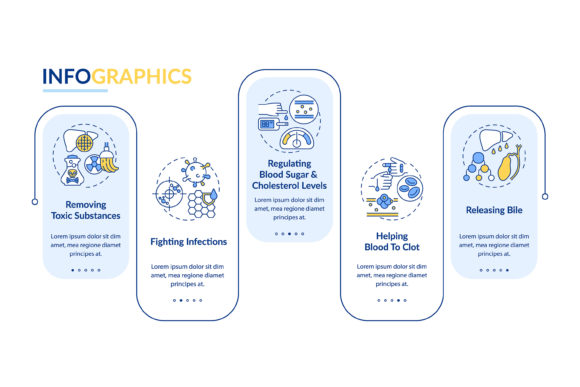
The Liver Roles Vector Infographic Template exudes a sense of clarity and structure. Its linear icons and process timeline chart suggest a modern, data-driven approach that aligns well with health-focused businesses, wellness brands, or educational content creators. The design feels both informative and visually engaging, making it ideal for small business branding that needs to communicate complex ideas simply.
This template has a slightly premium feel but isn't overly formal. It strikes a balance between professionalism and approachability, which makes it suitable for handmade businesses, boutique stores, or food-related brands looking to present their story in a polished yet relatable manner.
Real-World Applications for Local Business Branding
One of the strengths of the Liver Roles Vector Infographic Template is its versatility. As a brand designer, I've used similar assets for logo design, packaging design, and product labels. This particular template could be adapted for use on product packaging, where it could serve as a decorative element or a visual guide for consumers.
For example, imagine a skincare brand creating a line of herbal toners. The Liver Roles Vector Infographic Template could be used on product labels to illustrate the natural ingredients and their benefits. It could also appear on thank-you cards, stickers, or even in social media graphics to reinforce brand messaging.
Its workflow layout and 5-step process make it a great fit for digital product presentations, such as website banners or email newsletters. When paired with strong typography and brand colors, this asset can help create a cohesive visual hierarchy that supports better product recognition and customer trust.
Supporting Business Presentations and Marketing Efforts
When working on small business branding projects, I always look for design assets that can strengthen a brand’s first impression. The Liver Roles Vector Infographic Template does exactly that. Its structured layout helps improve visual hierarchy, making it easier for customers to digest information quickly.
This template can also be used to create stronger emotional connections with audiences. For instance, a bakery might use it to explain the baking process or the quality of their ingredients. A coffee shop could use it to showcase the journey of their beans from farm to cup. In these cases, the infographic becomes more than just a visual—it becomes part of the brand story.
Additionally, this asset can boost shelf appeal when used in product packaging. Its clean lines and clear layout make it stand out among competitors, especially in crowded retail environments. When paired with bold color schemes or subtle textures, it can add a layer of sophistication to any product label or package design.
Best Use Cases for Liver Roles Vector Infographic Template
The Liver Roles Vector Infographic Template shines in areas where visual storytelling is key. Product labels, for instance, can benefit from its structured layout and clear icons. It can also be used as a hero graphic on websites or social media posts, drawing attention to important brand messages.
For seasonal campaigns, this template can be customized to reflect holiday themes or special promotions. It works well as a decorative brand element in boutique visuals or as part of a printable design for in-store signage. When used in product mockups, it adds a professional touch that can help small businesses compete with larger brands.
It’s also useful for marketing visuals that require a clean, modern look. Whether it’s a flyer, poster, or business card, the Liver Roles Vector Infographic Template can bring a sense of order and professionalism to any design project.
Where to Use It Carefully
While the Liver Roles Vector Infographic Template is highly versatile, there are situations where it may not be the best choice. In formal corporate branding, for example, its relatively simple design might not convey the level of sophistication required. Similarly, it may not work well on very small labels where detail is hard to see.
In crowded product packaging or ingredient-heavy layouts, this template could become overwhelming. It should also be avoided in areas where legal information or text needs to be prominent. Low-contrast backgrounds or luxury minimalist brands may also find it too busy or decorative.
As a brand designer, I always recommend testing the asset on real-world applications before finalizing a design. This includes checking how it looks in black and white, on small labels, and alongside different font styles.
Practical Designer Notes for Using This Asset
Before using the Liver Roles Vector Infographic Template for client work or physical product sales, I always verify the commercial license. It’s essential to ensure that the asset can be used without restrictions, especially when working on commercial design projects.
I also recommend testing it on various mockups to see how it performs in different contexts. For example, if you're designing a product label, check how it looks in both PNG and SVG formats. Preview it on small surfaces like hang tags or business cards to ensure readability.
Another tip is to compare it with competitor packaging. Does it stand out? Is it consistent with your brand identity? These questions can help determine whether the asset is the right fit for your project.
Finally, always test it with your brand colors and fonts. Some design assets may not translate well to certain color palettes or typefaces, so it's important to review them in context before finalizing your design.