Staff Development Kinds Infographic
As an embroidery designer and product reviewer, I’ve evaluated countless digital files for real-world use. Staff Development Kinds Infographic stands out as a versatile and professional design that could work well in a variety of projects—especially those involving custom apparel, handmade gifts, or business branding.
First Impressions: A Clean, Professional Visual Style
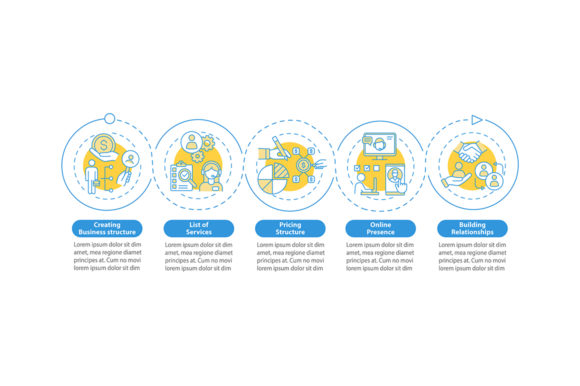
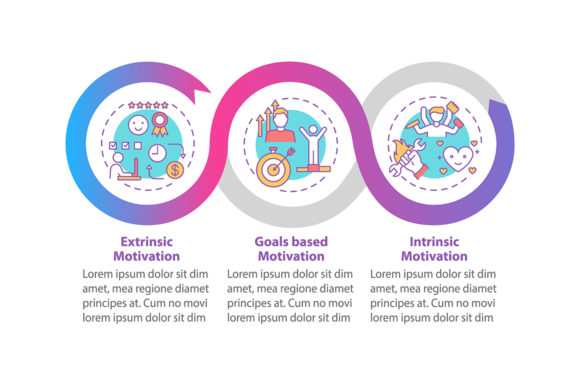
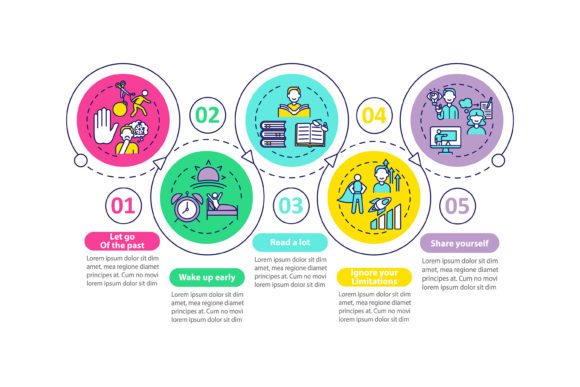
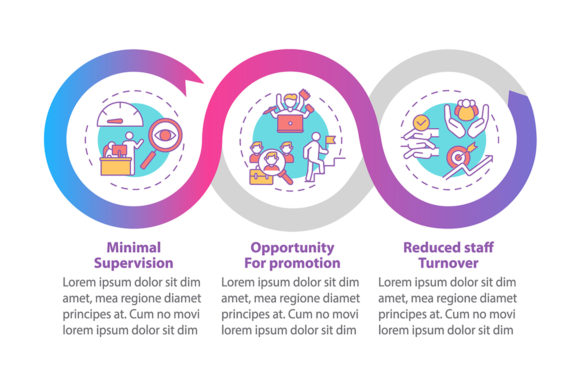
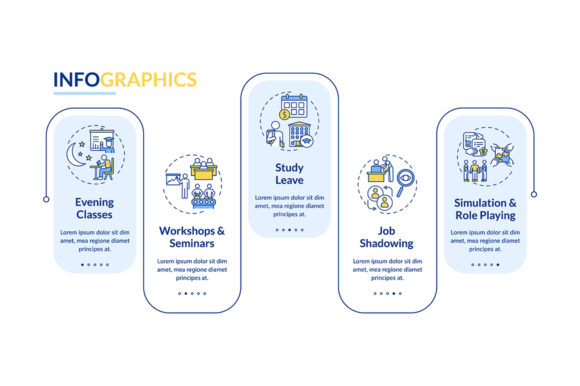
The first thing I noticed about Staff Development Kinds Infographic is its clean, modern layout. The vector-based design uses linear icons and a structured workflow chart to present information clearly. It has a data visualization feel, which makes it ideal for educational or corporate-themed projects.
The color palette is subtle, with neutral tones that suggest professionalism and clarity. This makes the design adaptable to different fabric colors and thread choices. The layout feels organized, with five distinct steps laid out in a logical sequence, making it easy to follow visually.
This kind of infographic would fit naturally on a tote bag design, a sweatshirt, or even a baby onesie. Its structure suggests a focus on process and growth, which aligns well with themes like personal development, workplace training, or educational content.
Real-World Embroidery Use Cases
When considering how Staff Development Kinds Infographic would translate into a machine embroidery design, I think about how the elements will stitch out. The linear icons and timeline chart are likely to work well with satin stitch and fill stitch, especially if the design is simplified for embroidery purposes.
For a custom apparel project, this design could be used on a hoodie, a t-shirt, or a cap. It would also make a great embroidered patch for a craft business or a personalized gift. The design’s clarity and structure make it suitable for both commercial and handmade products, provided the stitching is done carefully.
If you’re an Etsy seller or a small shop owner looking for a fresh design to add to your collection, this infographic could be a strong asset. It’s not overly detailed, which helps prevent issues with stitch density and hoop size, but it still offers enough visual interest to catch a customer’s eye.
Where to Be Careful: Fabric and Design Limitations
While the design is generally well-suited for embroidery, there are some limitations to consider. The linear icons and timeline may not translate well to small hoop sizes. If you’re working on a cap or a small patch, you might need to scale the design down significantly, which could affect the clarity of the details.
On textured or stretchy fabrics, the design may lose some definition. Thin or dark fabrics can also be problematic, especially if the thread color doesn’t contrast well. I recommend testing the design on scrap fabric before committing to a final product.
Additionally, if the design includes tiny lettering or intricate corners, you’ll want to ensure that the stitch density is appropriate. Too much detail in a small area can lead to puckering or distortion, especially on delicate materials.
Impact on Visual Appeal and Customer Perception
Staff Development Kinds Infographic has a strong visual appeal when stitched out correctly. Its clean lines and structured layout give it a professional look, which can enhance the perceived value of a handmade product or a commercial item.
Customers often respond positively to designs that are clear and meaningful. This infographic could serve as a conversation starter, especially on items like a holiday gift or a personalized product. It also reinforces brand consistency if used across multiple items in a product line.
From a practical standpoint, this design could improve buyer engagement by offering a unique and informative element. Whether it’s used on a boutique product, a printable mockup, or a digital product preview, it adds a level of sophistication that can set your work apart.
Embroidery Designer Notes: Practical Tips for Success
Before using Staff Development Kinds Infographic in your next project, here are a few tips to keep in mind:
- Test on scrap fabric: Always test the design on the actual fabric you plan to use. This helps identify any potential issues with stitch density, thread color, or stabilizer needs.
- Check thread color contrast: Ensure the thread color complements the fabric. Dark threads on light fabric or vice versa can make the design stand out more effectively.
- Review stitch density: If the design is too dense, it may cause puckering or distortion. Adjust the stitch density as needed for the fabric type.
- Confirm hoop size: Make sure the design fits within your hoop size. If not, consider scaling it down or splitting it into sections.
- Inspect small details: Pay close attention to corners, lines, and text. These areas are more prone to errors during the stitching process.
- Use proper stabilizer: Stabilizer is crucial for maintaining the integrity of the design, especially on stretchy or thin fabrics.
- Verify licensing: Before selling finished items or digital products, confirm that the design allows for commercial use and that you have the proper rights.
Conclusion: A Versatile Design for Creative Entrepreneurs
Staff Development Kinds Infographic is a well-designed template that can be adapted for a wide range of embroidery projects. Its clean layout, structured approach, and professional aesthetic make it a valuable addition to any designer’s toolkit.
Whether you're creating custom apparel, personalized gifts, or small shop merchandise, this design offers a practical and visually appealing option. With careful consideration of fabric type, stitch density, and design scaling, it can be successfully incorporated into both handmade and commercial embroidery projects.
For designers, crafters, and small business owners, Staff Development Kinds Infographic represents a smart choice—one that balances creativity with functionality in the world of digital embroidery files.